Discover responsible tourism, wildlife conservation and authentic safari experiences with Kamoka Camp.

Travel better, explore deeper
South Africa is one of the most famous safari destinations in the world, attracting travellers who want to experience its incredible wildlife and landscapes. Today, however, more visitors are looking for a more responsible way to travel. This is where sustainable safari travel becomes important. It focuses on protecting nature while still offering unforgettable experiences.
What is Sustainable Safari Travel?
Sustainable safari travel is about exploring wildlife in a way that respects and protects the environment. It aims to reduce negative impacts on nature while supporting conservation efforts and local communities. This approach ensures that future generations can also enjoy Africa’s natural heritage
A Meaningful Way to Explore Nature
Choosing a sustainable safari means experiencing nature in a more meaningful and respectful way. Rather than focusing only on observation, travellers become more aware of the importance of conservation and environmental responsibility. Sustainable tourism encourages visitors to appreciate wildlife while helping preserve natural habitats and ensuring that tourism creates long-term benefits for both nature and local communities.
Kamoka Camp is a great example of sustainable tourism in action. The camp focuses on eco-friendly practices and conservation-based experiences. Visitors can enjoy safaris while learning about wildlife protection and the importance of preserving natural ecosystems.
Kamoka Camp: A Sustainable Safari Destination
Kamoka Camp also supports local communities by creating jobs and encouraging education and skills development. Its approach combines tourism, conservation, and community impact in a meaningful way.

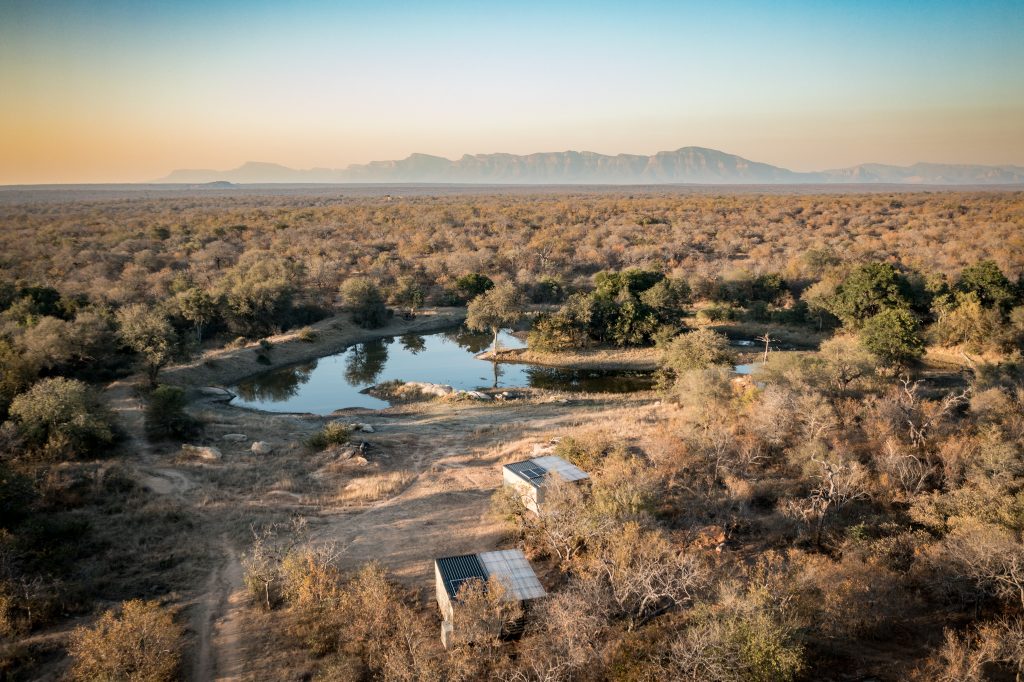
Sustainable safari travel is becoming increasingly important in South Africa. Kamoka Camp shows that it is possible to enjoy an authentic safari experience while also protecting the environment and supporting local communities. It represents the future of responsible tourism in Africa.
Why It Matters
Choosing sustainable safari travel helps protect wildlife, reduce environmental damage, and support local economies. It also encourages a more responsible way of travelling, where visitors become part of conservation efforts instead of simply observing nature.