When people think about volunteering in South Africa, they often picture wildlife, game drives, and animal care. While these activities are part of life at DAKTARI, they are only one piece of the story.
Many volunteers arrive expecting the animals to be the highlight of their stay. They soon discover that the real heart of DAKTARI is its work with local children.
More Than an Animal Sanctuary
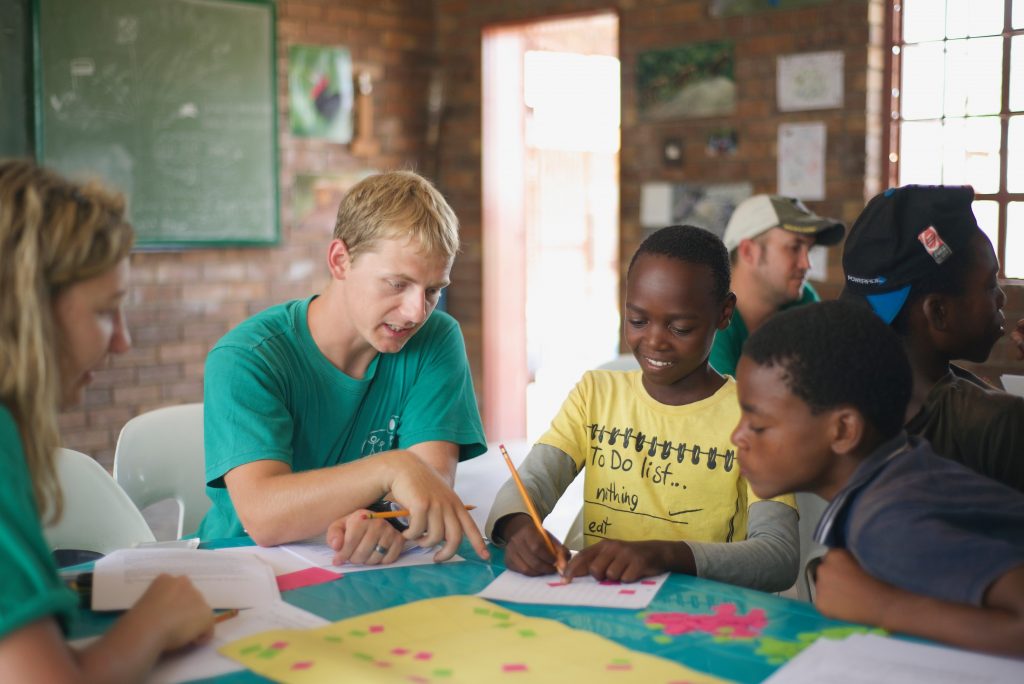
DAKTARI combines wildlife conservation with environmental education. Every week, children from neighbouring communities spend time at the bush school. They learn about wildlife, conservation, and the environment around them.
The programme also focuses on life skills. Children develop confidence, responsibility, communication skills, and respect for others. These lessons are just as important as learning about animals.
Volunteers support this mission in many different ways. One day may involve helping prepare food for the animals. Another may be spent creating educational activities, assisting with maintenance projects, supporting fundraising efforts, or helping with administration.
Because of this variety, no two days are ever the same.
The Impact of Working With Children
The strongest memories volunteers take home are often not related to the animals at all.
Instead, they remember the relationships they build with the children. Throughout the week, volunteers and children spend time together during lessons, activities, game drives, and everyday moments around the project.
These shared experiences create genuine connections. Volunteers watch children become more confident and curious. They see them ask questions, discover new ideas, and develop a deeper appreciation for nature.
At the same time, the children become attached to the volunteers who encourage and support them throughout the week.
When Friday arrives, goodbyes can be surprisingly emotional. It is common to see both children and volunteers in tears as they say farewell. After spending a week learning and growing together, strong bonds have often formed.
Then, the following Monday, a new group of children arrives. New friendships develop, new lessons begin, and the cycle starts all over again.
Life in the Bushveld
Life at DAKTARI follows a different rhythm from life in a city.
The project is located in the Limpopo bushveld, surrounded by nature. For many volunteers, it takes a few days to adjust. Soon, however, they begin to appreciate the slower pace and simple routine.
People from many different countries and backgrounds come together at DAKTARI. Some are taking a gap year. Others are changing careers, studying conservation, travelling after retirement, or simply looking for a meaningful experience.
Despite their different paths, volunteers often form close friendships. Shared meals, conversations, and experiences create a strong sense of community.
Staying at Kamoka Camp While Volunteering
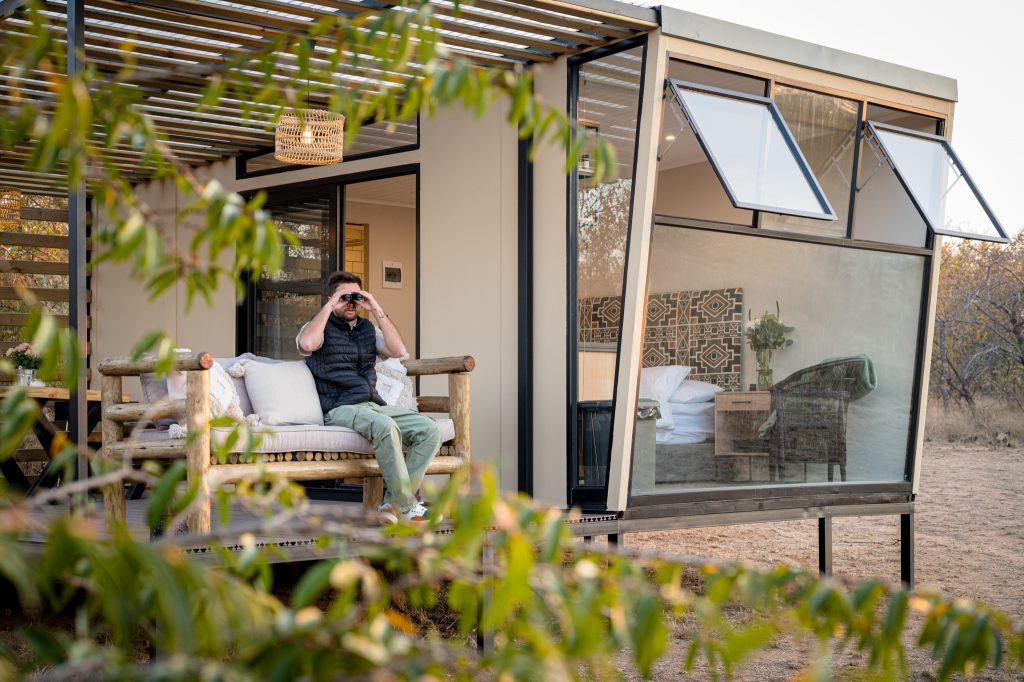
Some volunteers choose to stay at Kamoka Camp during their time at DAKTARI.
At the end of the day, they return to the camp and enjoy some quiet time in the bush. The short distance between DAKTARI and Kamoka creates a natural balance between volunteering and relaxation.
Evenings are often spent reading, sitting around the fire, or simply enjoying the peaceful surroundings. After a busy and rewarding day, many volunteers appreciate having time to reflect on their experiences.
Small Moments That Leave a Lasting Impression
People often imagine conservation work as a series of dramatic events. In reality, the impact usually comes from small moments.
It might be a child seeing wildlife up close for the first time. It might be a meaningful conversation during a lesson. It could be helping an animal in care or sharing a laugh with fellow volunteers.
These moments may seem small on their own. Together, however, they create an experience that stays with people long after they return home.
That is why many volunteers say they gained more than they gave.
Behind the scenes at DAKTARI, conservation is not only about protecting wildlife. It is also about education, community, and inspiring the next generation to care for the natural world.